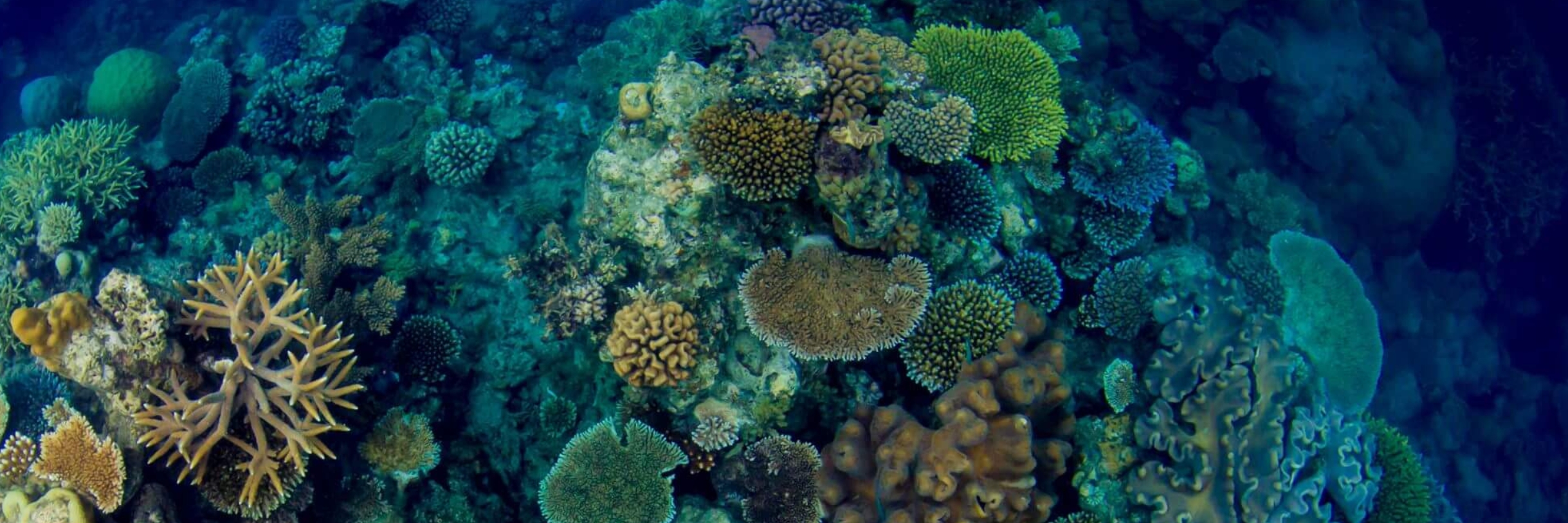
Coral The Living Heart of the Reef
Coral
-
- Living Animals – Coral may look like colourful plants or rocks, but they are actually colonies of tiny animals called polyps.
- Symbiotic Partnership – Coral relies on microscopic algae (zooxanthellae) living inside their tissues to survive and thrive.
- Reef Builders – Hard corals create the calcium carbonate skeletons that form the structure of reefs like the Great Barrier Reef.
- Colours of Life – Brilliant colours from its partnership with algae; when stressed, corals lose these algae and turn white (a process called bleaching).
- Biodiversity Hotspot – Coral reefs provide homes for 25% of all marine life, making them one of the richest ecosystems on Earth.
- Coastal Protection – Coral reefs act as natural barriers, reducing wave energy and protecting shorelines from erosion and storms.
- Global Importance – Millions of people worldwide rely on healthy coral reefs for food, income, and tourism opportunities.
Introduction
Coral is the foundation of the Great Barrier Reef, the world’s largest living structure and one of nature’s most spectacular wonders. While many people think of coral as a colourful plant or rock, it is in fact made up of tiny animals called polyps. These creatures build the calcium carbonate skeletons that, over thousands of years, form entire reef systems. Without coral, the Great Barrier Reef as we know it would not exist.
What is Coral?
Each coral polyp is a soft-bodied animal, related to jellyfish and sea anemones. They live in colonies, with thousands of polyps joining together to form intricate coral structures. During the day, the coral polyps stay tucked inside their protective skeletons, and at night they extend their tentacles to feed on plankton drifting through the water. This delicate balance of life has allowed corals to build some of the most diverse ecosystems on Earth.
Hard and Soft Corals
Corals come in two main types – hard corals and soft corals.
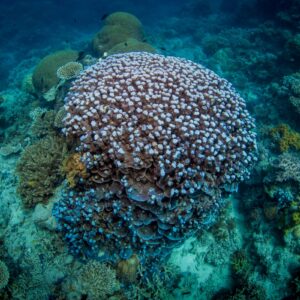
- Hard corals are reef-builders, creating the limestone framework that gives the reef its shape and strength. Iconic examples include staghorn, brain, and plate corals.
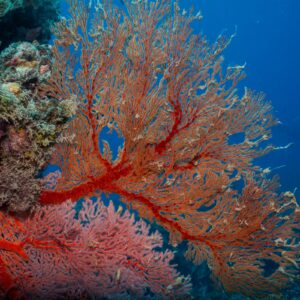
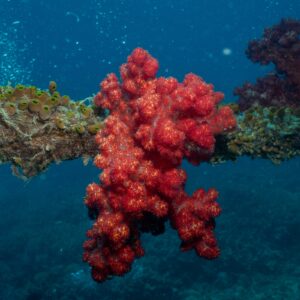
- Soft corals do not form a rigid skeleton but sway beautifully in the currents. Sea fans, leather corals, and tree-like gorgonians add colour and movement to the reef.
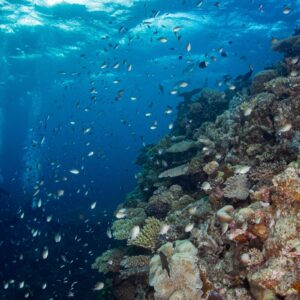
Together, these corals create a three-dimensional underwater world, with caves, ledges, and crevices that provide shelter for countless marine animals.
The Colours
The stunning colours that divers and snorkellers admire are thanks to a special partnership between coral polyps and microscopic algae called zooxanthellae. These algae live inside the coral tissue, producing energy through photosynthesis and sharing it with their coral hosts. In return, the coral provides the algae with a safe place to live. This relationship not only gives corals their brilliant pinks, purples, yellows, and greens but also fuels the reef ecosystem.
Why Coral Reefs Matter
Coral reefs are often called the “rainforests of the sea” because of the immense biodiversity they support. They are home to thousands of fish, turtles, sharks, rays, molluscs, and invertebrates. Beyond their beauty, coral reefs also play an important role in human life:
- They act as natural barriers, protecting coastlines from storms and erosion.
- They provide food and income for millions of people worldwide.
- They drive tourism, with visitors from across the globe travelling to see the Great Barrier Reef’s coral gardens.
Threats
Despite their strength, corals are sensitive to environmental changes. Rising ocean temperatures, pollution, and destructive fishing practices put pressure on reefs around the world. When corals become stressed, they can expel their algae, leading to a process known as coral bleaching. This turns corals white and weakens their chances of survival. The Great Barrier Reef is a reminder of both the fragility and resilience of coral ecosystems, and why conservation efforts are so important.
Frequently Asked Questions
Is coral a plant or an animal?
Why is coral so colourful?
What is coral bleaching?
Can coral grow back once it’s damaged?
Where can I see coral on the Great Barrier Reef?
Exploring the Great Barrier Reef on a Liveaboard
Joining a liveaboard trip is one of the best ways to witness coral in all its beauty. From shallow coral gardens filled with clownfish to dramatic reef walls covered in plate corals, every dive or snorkel reveals something new. By staying overnight on the reef, you have time to explore different reef sites, experience at sunrise and sunset, and even join night dives to see polyps feeding under the glow of torchlight.
A visit to the Great Barrier Reef is more than just a holiday it’s a chance to connect with a living wonder of the world and gain a deeper appreciation for the coral that makes it possible.
Did you know? Less than 3% of the world’s oceans are protected, yet coral reefs support around 25% of all marine life. Protecting coral means protecting the ocean